Our story

Started in 2025, to build what was missing.

Safari Defenders Initiative began with one observation: the conservation areas we knew had everything except a way to earn from it.

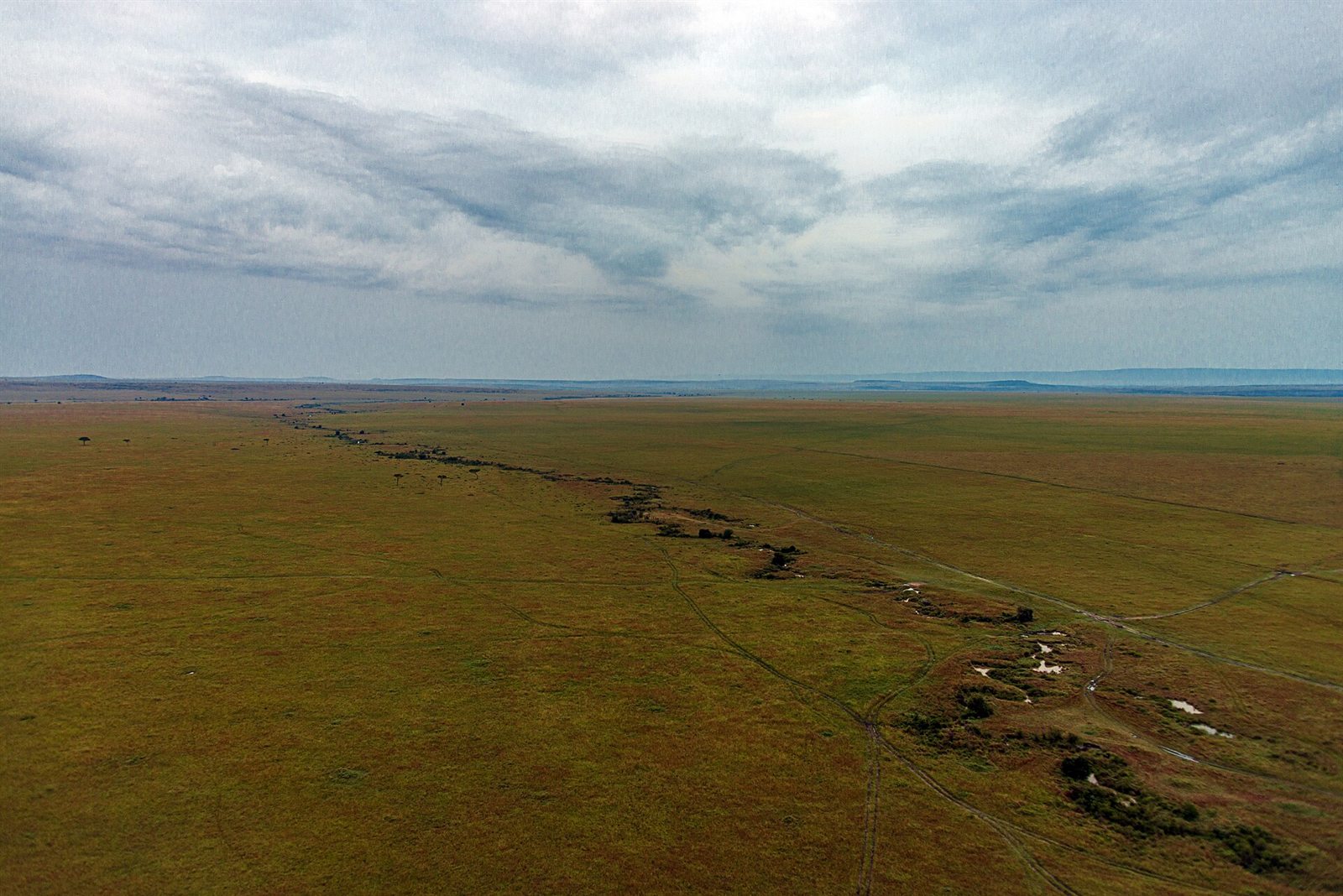
A stream winding through the Maasai Mara landscape, seen from a balloon
Maasai Mara, KenyaPhoto: Daniel Case · CC BY-SA 4.0
Philanthropic funding should finance the transition to self-sustaining conservation, not the perpetual cost of conservation.

Africa's conservation areas are not short of nature. They are short of the commercial capability to turn that nature into income that pays for its protection. Because earned income covers SDI's running costs, every dollar raised for our missions reaches conservation areas and the people who live with wildlife.

That is why every intervention we design creates the fastest path to sustainable tourism revenue.

Who we are

An Africa where no wild place is lost for lack of funding.

Vision

An Africa where no wild place is lost or struggling for lack of sustainable funding.

Mission

We turn Africa's underfunded conservation areas into sustainable tourism economies that fund their own protection and create opportunities for local communities and their partners to thrive.

Theory of change

If areas gain capability, partners and investment → then tourism businesses grow revenue and jobs → so conservation areas can fund their own protection.

See how we work Read the plan

Our journey so far

Two years in, and already in the field.

Mar 2025

The idea is conceived.

A venture studio building sustainable tourism businesses for Africa starts asking why conservation areas cannot own the businesses that fund them.

Sep 2025

SDI is registered in Kenya.

A Kenya-based non-profit, with a coalition of 23+ vetted tourism partners already behind it.

Dec 2025

The first scoping mission.

Northern Kenya, with a regional peacebuilding partner: land, wildlife, community governance and the first tourism opportunity.

2026

Projects on the ground.

Kenya: two conservancy projects completed and one ongoing. Tanzania: two marine conservation area projects completed.

What we believe

Six values that keep the work honest.

01

Communities thrive.

Tourism must improve the lives of people who live with wildlife, whether they own the land or live alongside it.

02

Different by design.

We challenge conventional thinking to find better ways.

03

Co-creators.

We work closely with communities, conservation areas and partners.

04

Responsible.

Every business model we introduce or strengthen advances sustainable development in its destination: economically, socially and environmentally.

05

Scalable.

Market-ready solutions that grow with a coalition of sustainable tourism partners.

06

Exit, not dependency.

Catalytic, not permanent: we build systems that thrive without us.

Our strategic choices

Where we play, how we win, and what we will not do.

Where we play

Community and state conservation areas.

  • Conservancies, wildlife management areas and community-managed marine areas.
  • State protected areas and the ecotourism businesses within them.
  • Kenya and Tanzania first, then at least three countries in Eastern and Southern Africa.
How we win

Build the business, not just the plan.

  • 23+ vetted tourism partners, assembled around each area.
  • Community-benefiting, investor-ready deals.
  • Low delivery cost, with AI doing the heavy lifting.
What we will not do

The line we hold.

  • Fund recurring running costs.
  • Take stakes in deals.
  • Build infrastructure.
  • Manage land.

Where we start

Kenya and Tanzania, first.

Large conservation estates, strong tourism economies and a clear revenue gap. The need is close to the market, and the partners are already there.

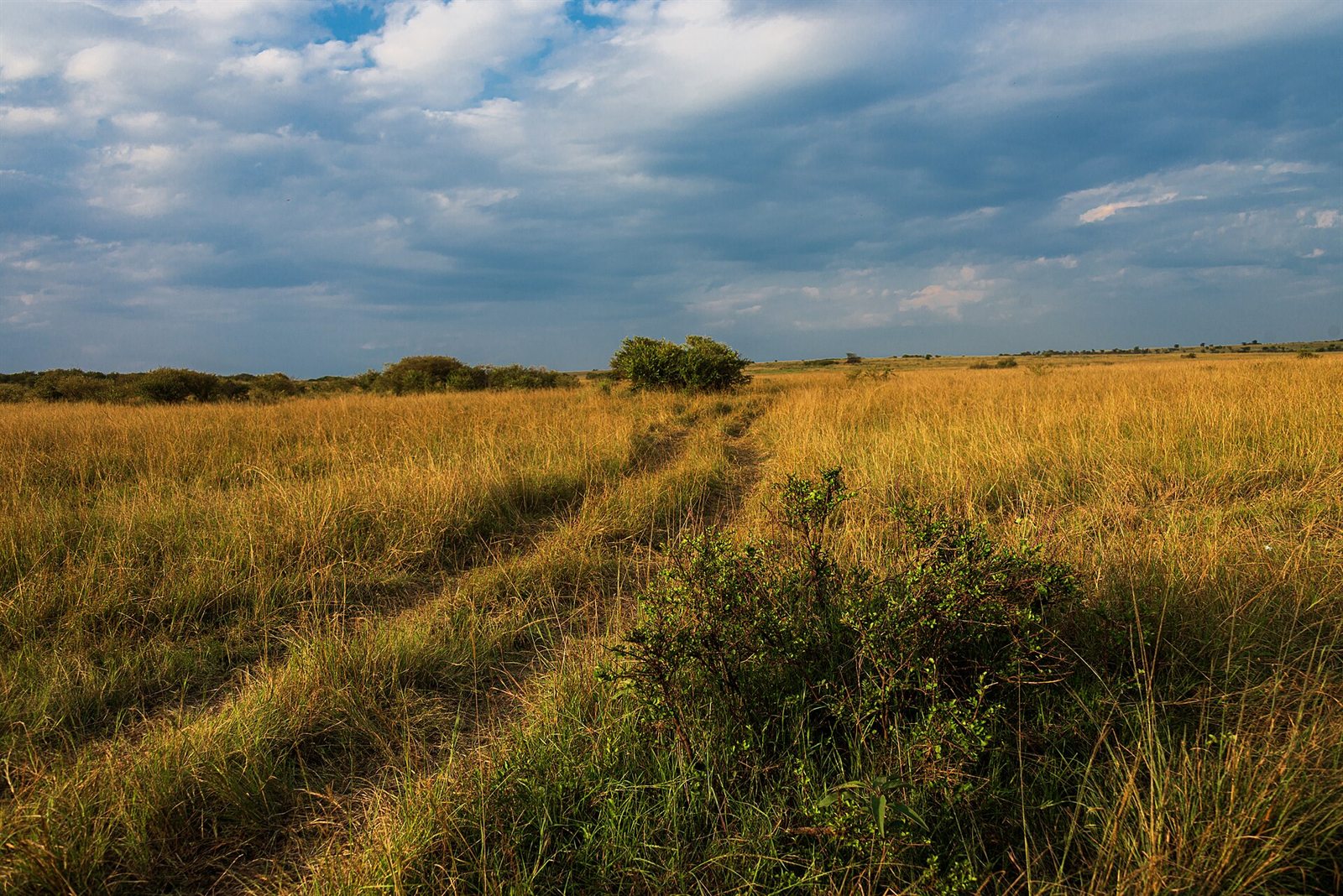
A track through golden grassland in the Maasai Mara, Kenya
Kenya

409 protected areas. 245 conservancies. A 9.3% tourism economy.

Tourism contributes USD 12.7 billion and about 1.8 million jobs. Yet 16 Mara conservancies earn USD 4.9 million a year in lease fees, and 43 northern Kenya conservancies earned USD 1.3 million between them in 2019.

71,534 km² protected9.3% of GDPSDI: 2 completed, 1 ongoing
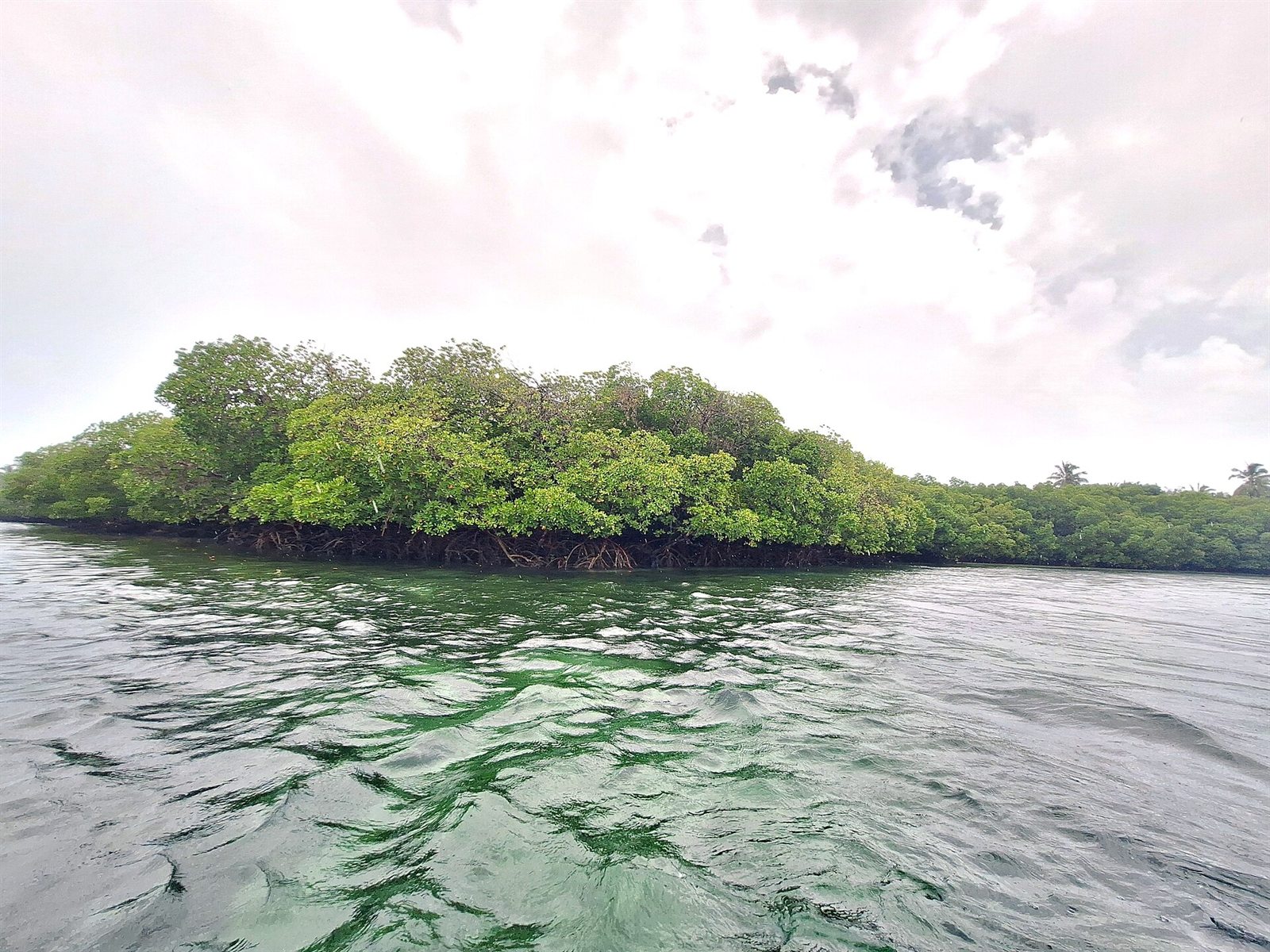
Mangroves on the Tanzanian coast
Tanzania

872 protected areas, and 21 community Wildlife Management Areas.

Only three of the 21 WMAs have an exclusive photographic tourism agreement. The national WMA strategy targets ten more investor agreements by 2033. SDI has completed two marine conservation area projects.

378,341 km² land7,408 km² seaSDI: 2 marine projects

The plan · 2027–2031

A plan built to be outgrown.

Three phases, with board review gates at the end of 2028 and 2029. We expand only when the previous phase delivers — and we measure success by what the conservation areas earn without us.

Phase 1 · 2027–2028

Kenya and Tanzania.

Independence, the first associate, 21 investment cases, two relaunch plans, and SI in Pello built and launched.

Phase 2 · 2029

Scale what works.

First investor commitments, first assets relaunched, a six-month reserve, and a second Track B cohort.

Phase 3 · 2030–2031

Go south.

Expand to a Southern African country, and reach 20 areas, 5,000 people, 100 businesses and USD 10 million+ mobilised.

0

areas running a tourism business model

0

people benefiting through jobs and income

0

tourism businesses certification-ready

0

countries in Eastern and Southern Africa

0

in new investment mobilised

Read the full plan.

The 2027–2031 strategic plan sets out the problem, the choices, the missions, the numbers and the governance.

PDF · 25 pages · 4.1 MB
Download the strategic plan

Our board

The people behind the work.

A small board with direct experience of conservation, tourism operations and the governance that holds mission-led organisations together.

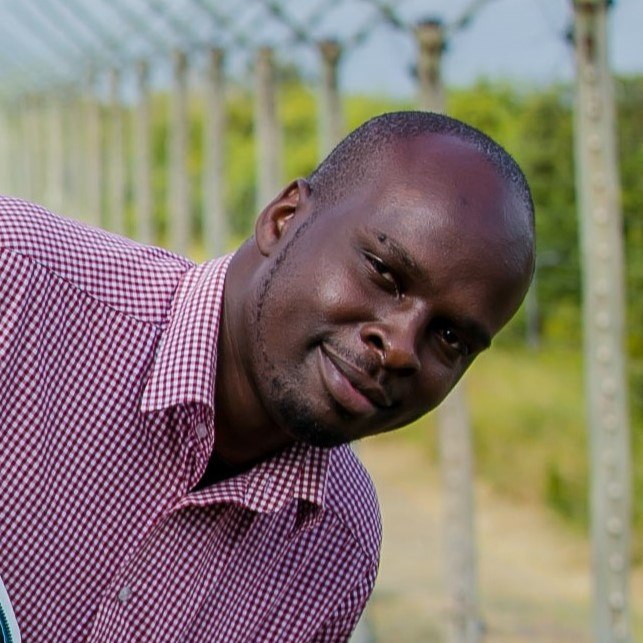
01 Portrait of Job Odhiambo Ochieng

Job Odhiambo Ochieng

Co-founder & CEO · Board member

Around a decade in protected-area and sustainable tourism, with an MSc in Responsible Tourism Management. A certified sustainability auditor and trainer, and the author of our strategic plan.

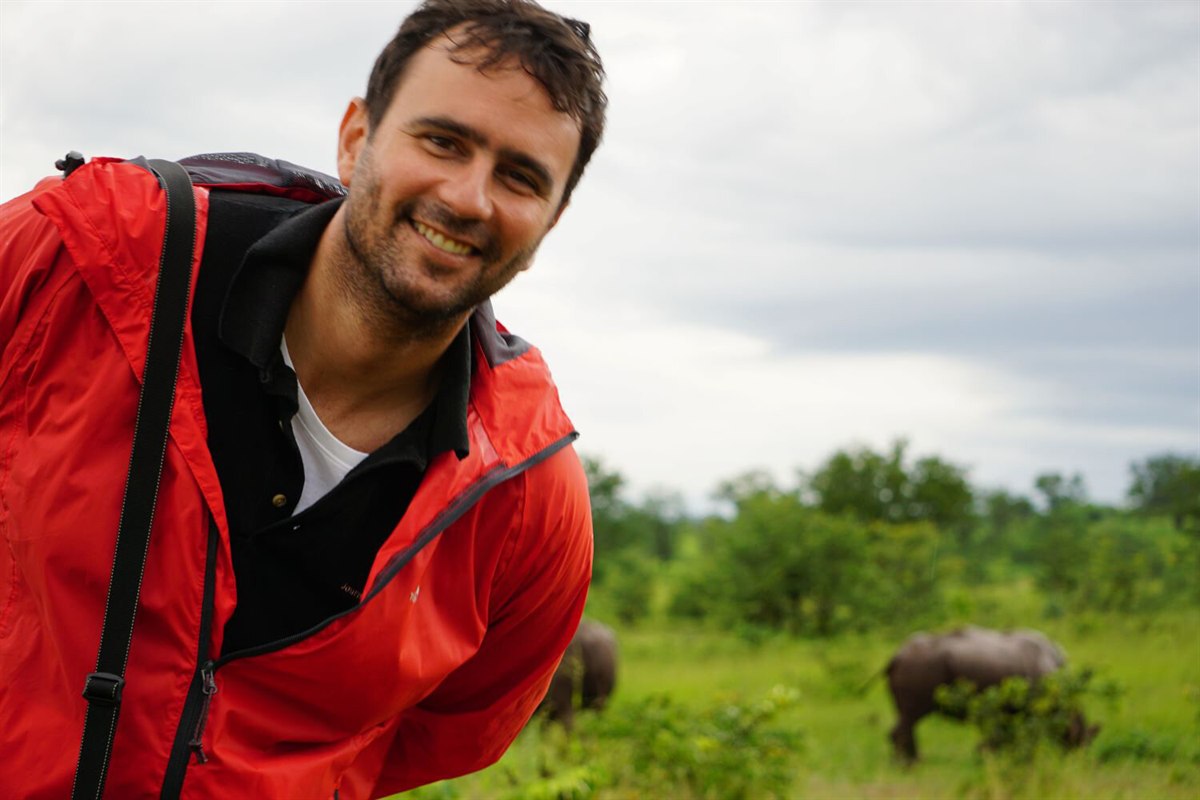
02 Portrait of Ben Peterson

Ben Peterson

Board member

A conservation tourism operator with first-hand experience of building visitor experiences in rhino country, and a clear eye for what makes a wild place commercially durable.

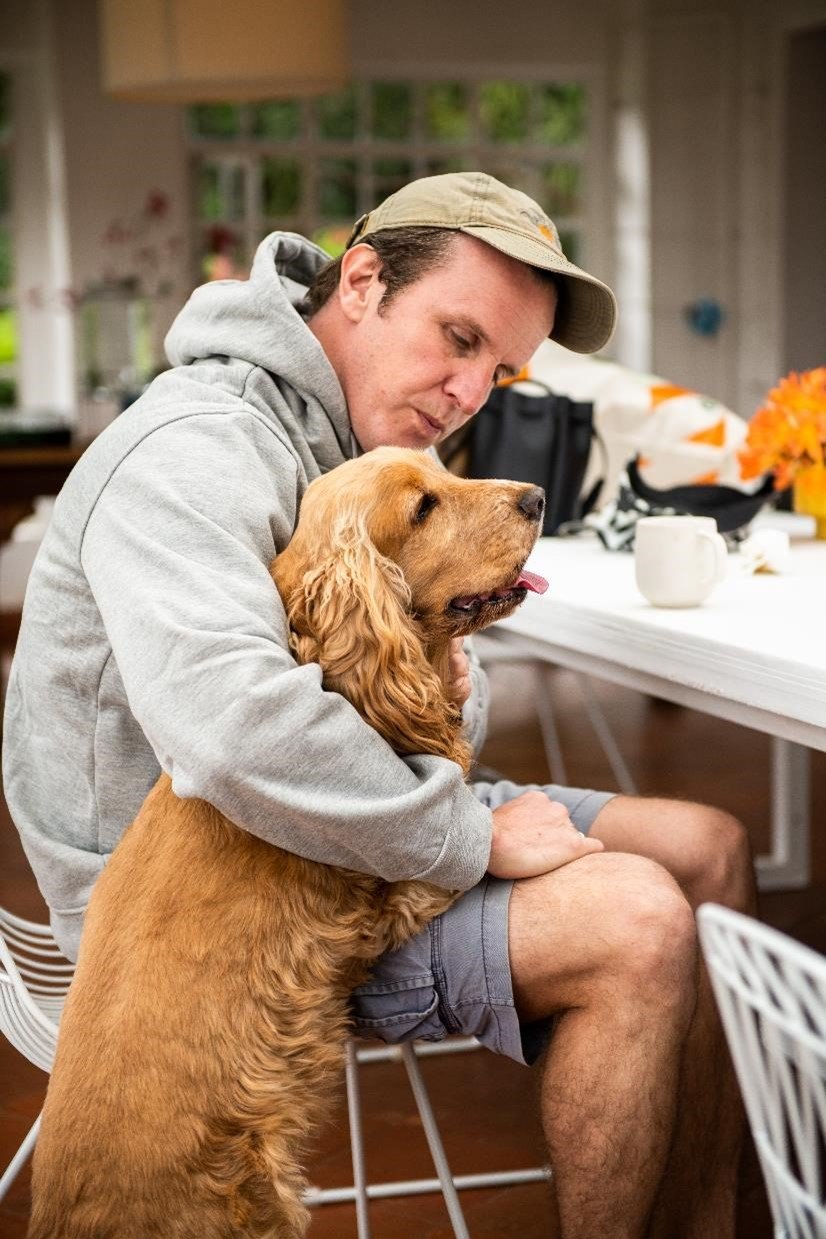
03 Portrait of Jan Van der Does de Willebois

Jan Van der Does de Willebois

Board member

A governance and finance hand for mission-led organisations, focused on the partnerships and structures that let good work outlive its founders.

Join us

The work is long. Start now.

Funders: back a WEZESHA cohort or SDI's capacity. Conservancies and associations: commission a direct engagement or nominate an area. Investors and operators: take up an investment-ready opportunity. Tourism businesses: join the Sustainability and Impact Programme.